Exploring the Cosmos: An Intergalactic Journey Through Space Science and Stellar Phenomena
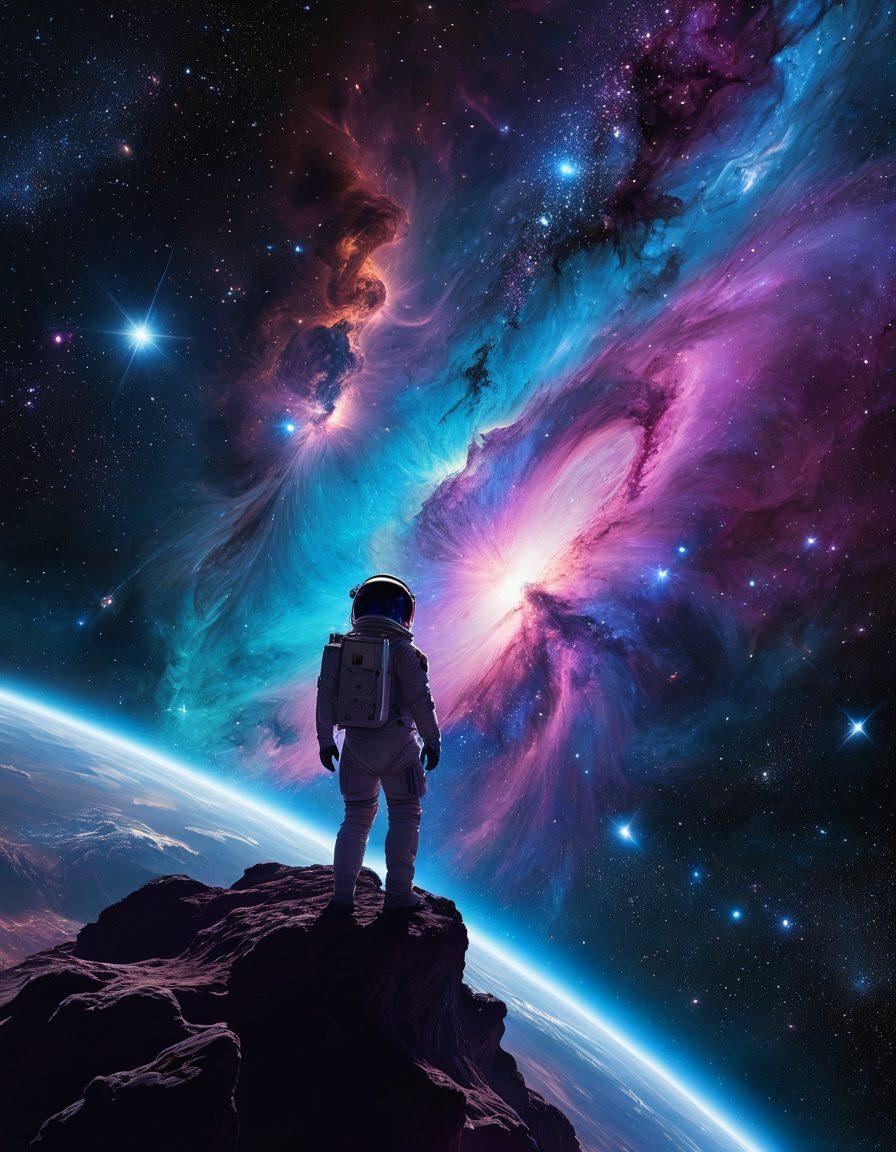
The universe is vast, mysterious, and filled with wonders that tease our imaginations. As we embark on this intergalactic journey through the fabric of space science and stellar phenomena, one of the most perplexing enigmas we encounter is dark matter. What is it? Where does it exist? These compelling questions have long captivated the minds of researchers, astronomers, and cosmologists alike. Dark matter lies at the heart of numerous scientific investigations and is key to understanding not only the cosmos but also the fundamental laws that govern it. In this journey, we will unravel the mysteries of dark matter and explore what it tells us about our universe.
Imagine gazing up at the night sky, where billions of stars sparkle, and galaxies swirl majestically. Yet, amid this beauty, scientists reveal that nearly 85% of the universe is shrouded in darkness. This dark matter, invisible and enigmatic, doesn't emit, absorb, or reflect light. It exists primarily through its gravitational influence, affecting the motion of galaxies and clumping together with ordinary matter to form structures in our universe. What does this mean for our understanding of the cosmos? This strange substance is a pivotal player in the field of theoretical physics and is essential for the expansion of our ideas in cosmology and spacecraft design.
The quest to uncover the properties of dark matter has sparked innovative approaches in scientific research. Advanced space technology and aerospace ventures, such as NASA's missions into the depths of the solar system, not only promise to enhance our understanding of planetary science but also aim to shed light on the components of the universe that remain elusive. With dedicated rules of engagement in our quest for knowledge, dark matter could hold the keys to unleashing secrets that may one day lead us to extraterrestrial realms or even entirely new physics, fostering a passion for space exploration across generations.
As we document our findings in journals and weblogs, we share insights and excitement about the potential that dark matter brings to the collective understanding of physics. Students and enthusiasts alike can explore this field through an online diary of experiences — a mental canvas where each entry reveals the interconnectedness of galaxies, dark energy, and the fabric of space. Through conversation and discourse, we ignite a passion for astrophysics, inviting all to partake in this scientific journey towards understanding the universe's hidden forces. Engaging the next generation in these inquiries will fill classrooms with curious minds eager to unravel the architecture of reality.
In conclusion, embracing the enigma of dark matter might seem daunting, but it also serves as an invitation to explore the uncharted territories of our universe. As we delve deeper into the realms of quantum physics and continue unraveling the intricacies of dark matter, we find ourselves at the cusp of understanding what lies beyond the stars. Will the next breakthrough in space technology reveal the answers we're searching for? One thing is for certain: the journey through space science will remain an exhilarating adventure filled with rich discoveries, stellar phenomena, and narratives that connect us all. So let us continue our quest for cosmic understanding, driven by curiosity and the wonder of exploration.
Galaxies Beyond: A Deep Dive into Space Exploration and Stellar Wonders
Have you ever looked up at the night sky and wondered about the mysteries that lie beyond our small planet? The cosmos is a vast and captivating expanse filled with galaxies, dark matter, and countless stellar phenomena that provoke our imagination and fuel our thirst for knowledge. Today, as we venture into the depths of space exploration and scientific research, let us unravel the wonders of the universe together. Think of this journey as an intergalactic online diary, documenting our discoveries and reflections as we sail through the cosmic ocean.
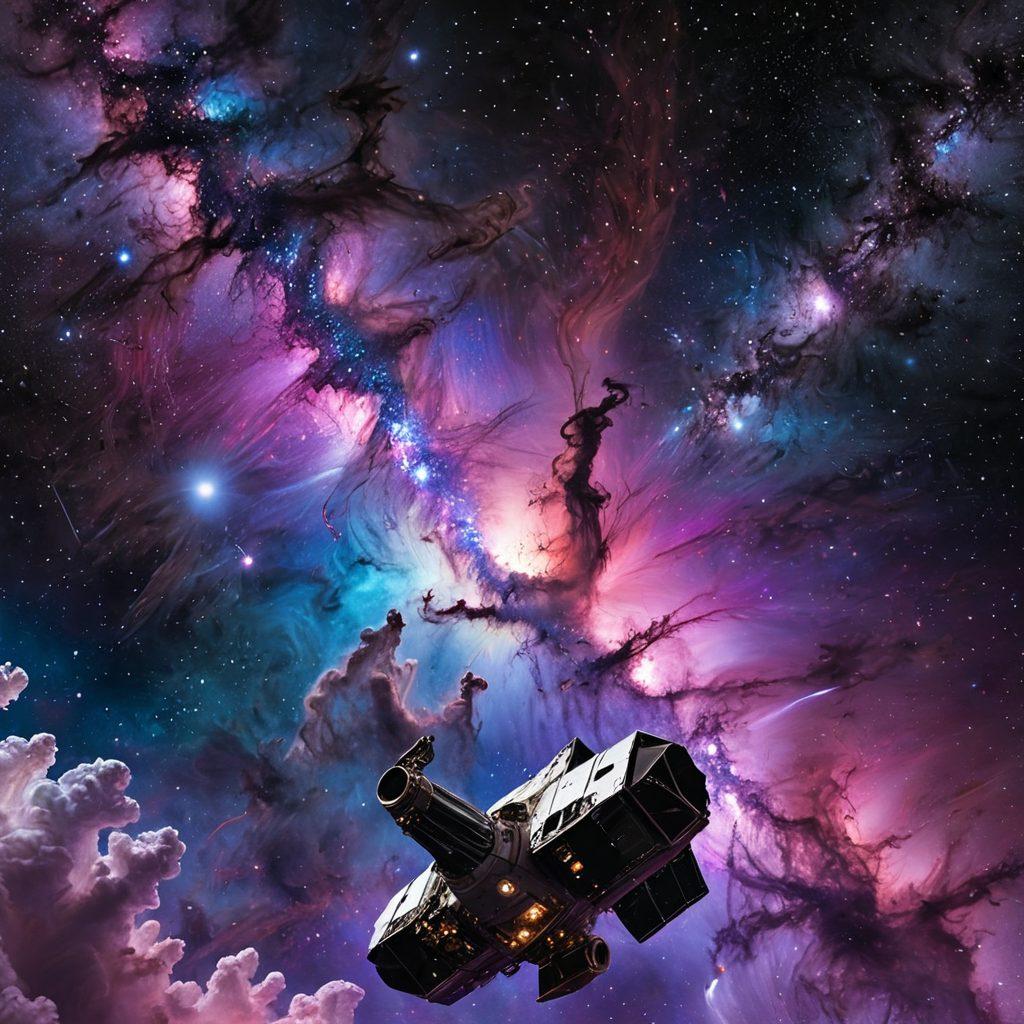
Imagine a spacecraft gliding through the swirling colors of a spiral galaxy, each twinkling star a beacon of the unknown. This imagery is not just a figment of our imagination; these are the captivating realities of space science and astrobiology that push the boundaries of theoretical physics. Each galaxy tells its own story, one that is waiting to be uncovered through relentless exploration and advanced technology. With the advancement of aerospace innovations, we are now able to explore distant worlds and understand the fundamental workings of our solar system like never before.
But what are galaxies, really? As defined by cosmologists, they are massive systems composed of stars, star clusters, dust, and gas bound together by gravity. Yet they are more than just collections of celestial objects; they represent a significant part of our quest to understand the universe. As we document our findings in our journals and weblogs, we often reflect on intriguing questions like: What are the conditions for life in these distant regions? Could there be extraterrestrial beings observing us from their own comfortable corner of the cosmos?
Pioneering space exploration efforts unveil the marvels of our universe while unraveling the enigmatic relationship between dark matter and galaxies. Dark matter is a crucial element that accounts for a substantial part of the universe's mass, although it remains invisible and undetectable. Understanding its properties could unlock answers to many cosmic enigmas, including the formation of galaxies and the fate of the universe itself. As we delve into these profound mysteries, we realize that science is not merely a collection of facts—it's a thrilling adventure filled with astonishing revelations and countless opportunities for discovery.
As you ponder these stellar wonders, think about your own role in this grand narrative of space exploration. Whether it's engaging with the latest research on planetary science or following the launches of innovative spacecraft, we all can contribute to this beautiful tapestry of cosmic knowledge. As we continue to explore the galaxies beyond and delve into the uncharted realms of the universe, let's embrace this extraordinary journey with wonder and curiosity. After all, the cosmos is not just a place for scientists and researchers; it invites each of us to dream, to seek, and to discover our place among the stars.
From Quantum Physics to Astrobiology: The Science Behind Our Intergalactic Voyage
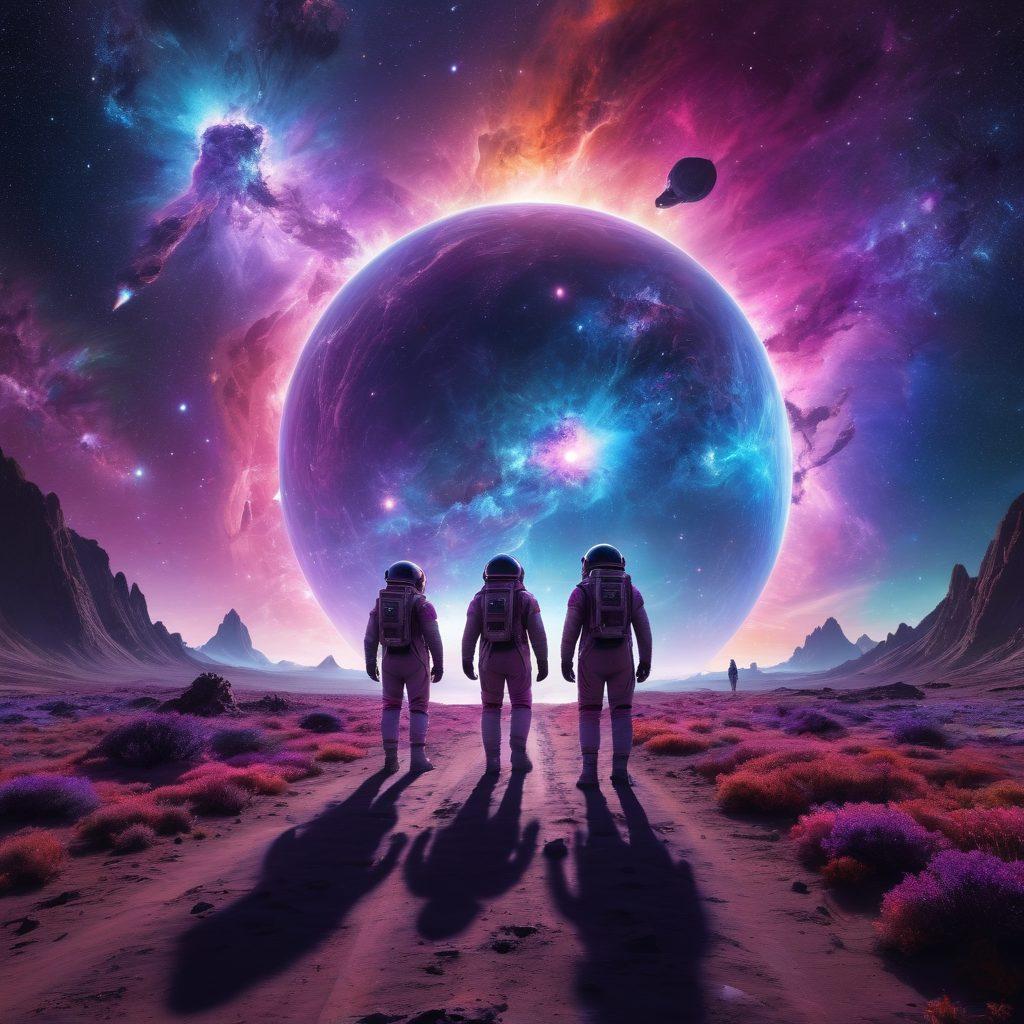
Imagine standing on a distant planet, gazing up at a vast sky filled with stars, galaxies, and the shimmering mysteries of the universe. This is the allure of space exploration, a journey into the unknown that captivates scientists and dreamers alike. From quantum physics to astrobiology, the science behind our intergalactic voyage is as fascinating as it is complex. How did we reach a point where we could even contemplate sending spacecraft beyond our solar system? Let’s embark on this thrilling expedition together, one where science meets the excitement of discovery.
Our exploration begins with quantum physics, which lays the foundation for understanding the very fabric of reality. “Everything is connected,” said the late physicist David Bohm, emphasizing how particles at the quantum level dictate the behavior of everything else in the cosmos. This unseen world of particles and waves informs our space technology, allowing us to develop advanced systems that take us farther than we ever thought possible. In the realm of theoretical physics, scientists are tackling questions about the nature of dark matter and dark energy—those elusive entities that make up most of our universe. Have you ever pondered what lies beyond those twinkling stars we see at night?
As we continue our journey, let’s delve into the realm of stellar phenomena and planetary science. Observations of supernovae and the birth of new stars in distant galaxies illustrate the dynamic processes that shape our universe. Picture this: a massive star exhausting its nuclear fuel, collapsing in on itself, only to explode in a brilliant show of light and energy. These events are not just fireworks; they are the cosmos’ way of recycling matter, enriching the interstellar medium with elements necessary for life. Astrobiologists study these elements in hopes of identifying extraterrestrial life forms, driving our quest to understand if we are alone in the universe. So, what if the next breakthrough comes from finding life on a moon of Jupiter?
Speaking of life and our quest for it, let’s not forget about cosmology and its vital role in our intergalactic journey. This field helps us piece together the timeline of the universe, while also seeking to answer pressing questions such as how galaxies formed and how they evolve over time. With every journal article published, we inch closer to understanding the cosmic web that connects galaxies, stars, and perhaps even life itself. Think about it: each new discovery fuels our curiosity and pushes the boundaries of what we once thought was possible. What's the wildest theory you've heard about the universe?
Finally, as we embrace the interplay between scientific research and technology, it’s thrilling to witness innovations that propel our spacecraft deeper into the cosmos. From advanced propulsion systems to AI that can analyze vast amounts of data, we live in a time where the barriers of space science are gradually dissolving. The challenges we face—like traveling through vast intergalactic distances or overcoming the effects of microgravity—are instrumental in shaping our future as space explorers. How do we ensure that the journey to the stars becomes feasible for generations to come? Perhaps it starts with fostering an online diary of our endeavors, documenting every success and setback in our quest for knowledge.